Skin in the Game
Certified Nursing Assistants are the front line of skin and wound observation in post-acute care, and what you notice matters. Watch the opening question free below, then join PAWSIC at no cost to unlock the full question library on demand and a printable guide.
Skin in the Game: A CNA Q&A
The opening question: what a skin check should look like for a CNA or aide, and how to spot the early signs of a wound across every skin tone. Join free below to unlock the full series.
Featuring Jeanine Maguire, PhD, MPT, CWS, FCPP · Jennifer Bierhup, RN, WCC, CCM, IRNPA, FACCWS · Isaac Zralii
Watch the Full Series, Free
Register for a free PAWSIC membership to unlock the full question library on demand, plus the printable CNA guide. It takes a minute, and there is no cost and no credit card.
Your free membership unlocks
- The full Skin in the Game session, plus every question as its own clip
- Wound VACs, and where the tubing and device should sit
- Preventing moisture and fungal damage in skin folds
- Why clinicians pick certain products, and repositioning beyond the 2-hour rule
- Wound odor, the Braden Score, and telling wound types apart
- Bonus: the printable CNA Q&A guide, and the full PAWSIC member library
Educational disclaimer: this series is for educational purposes and does not constitute medical advice. Always follow your facility's policies and the resident's care plan. Content is developed and reviewed for clinical accuracy by PAWSIC faculty.
CNA Wound Care Questions, Answered
Skin in the Game is a free PAWSIC video series in which wound care experts answer the questions Certified Nursing Assistants ask most about skin and wound care in post-acute settings, from skin checks and pressure injuries to wound VACs, the Braden Score, and skin tears. Short answers are below; join free above to watch the full video conversation for each one.
How should a skin check look for a CNA or home health aide?
A skin check uses all your senses. Because the old idea that all skin is pink misses problems on darker or lighter skin tones, look for a color that differs from the rest of that person's own skin, check the whole body including skin folds and under any device you may remove, and feel for areas that feel different, like a water balloon under the skin. Report any abnormality early, and use descriptive words so the nurse or therapist knows what to expect.
What is a wound VAC, how does it work, and why is it used?
A wound VAC is negative pressure wound therapy: filler in the wound, a sealed cover, and gentle suction through a tube that pulls drainage out. As a CNA, watch that it stays sealed and audibly working, keep track of where the tubing runs, and report a broken seal, an alarm, or frank red blood right away. When in doubt about placement or bathing over it, ask the nurse.
How do we prevent fungal infections and moisture damage in skin folds?
Keep skin folds healthy by cleaning, inspecting, and patting each fold dry, dab to dry rather than scrub, and never stuff material into a fold. Use only pH-balanced products the facility stocks or the physician orders, not scented products from home. If you see moisture, a fungal look, or an odor in a fold, report it so the team can act.
Why do clinicians choose certain skin products over others?
There are thousands of skin products, and each is chosen for a reason, because different ingredients suit sensitive, dry, or constantly moist skin. Follow the care plan, do not substitute or add products from home, and ask the nurse or educator how much to use and where. It is always better to ask than to assume.
Are there better ways to reposition people than every two hours, and how do I cushion bony residents?
Turning everyone every two hours is not evidence-based; repositioning is individual, and a resident with a pressure injury is usually turned every one to two hours. Work repositioning into brief changes, toileting, and daily care, and document it. Keep heels off the bed with a pillow under the calf or an ordered offloading boot, and keep turning residents even on specialty mattresses.
Do wounds have a smell, and what should I do about it?
A covered, clean wound should not have a strong odor, so a new strong, foul, sweet, or fecal smell is worth reporting. First check that the dressing is still in place, then describe the smell and when you noticed it. Taking socks off daily is a common way to find hidden wounds or fungal issues.
What is the Braden Score?
The Braden Score measures risk factors for pressure injuries: moisture, nutrition, mobility, sensation and cognition, and friction and shear. Focus on those categories and the interventions tied to them rather than the number. Because you see the resident most, tell the team when an intervention is not working for that person.
What is the difference between a wound, a pressure injury, skin failure, and a skin tear?
A wound is injured skin, which can break down from the outside or from the inside when blood flow is poor. A pressure injury comes from sustained pressure over bony areas; skin failure is a diagnosis tied to end of life or organ failure, not pressure; and a skin tear is a traumatic wound common in older, fragile skin. These are medical diagnoses, so describe what you see and report it.
Last updated September 2026
Educational only, not medical advice. Always follow your facility's policies, the resident's care plan, and the direction of the nurse, therapist, or physician.
Honoring CNAs, Every Single Day
Certified Nursing Assistants are the heartbeat of post-acute care. Shop the CNA Collection: meaningful, mission-aligned merch created to celebrate the clinicians, caregivers, and supporters who show up every day for patients.


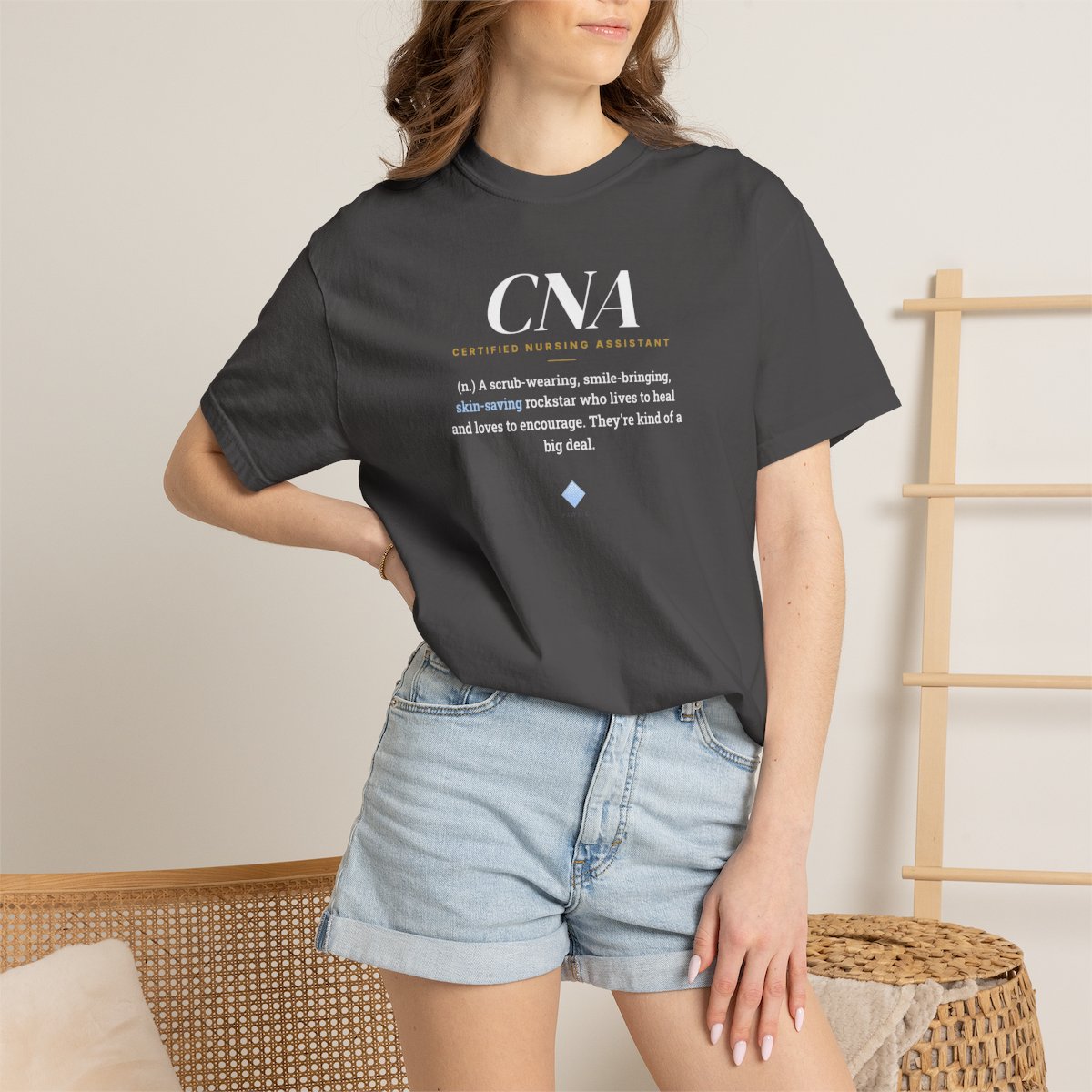
Proceeds support PAWSIC's wound care education mission.
Join Free and Keep Learning
PAWSIC membership is 100% free. Members watch the full Skin in the Game video series and download the printable CNA Q&A guide, plus the full library of on-demand wound care education built for every member of the clinical team.
Free forever. No credit card. Instant access to the CNA hub.